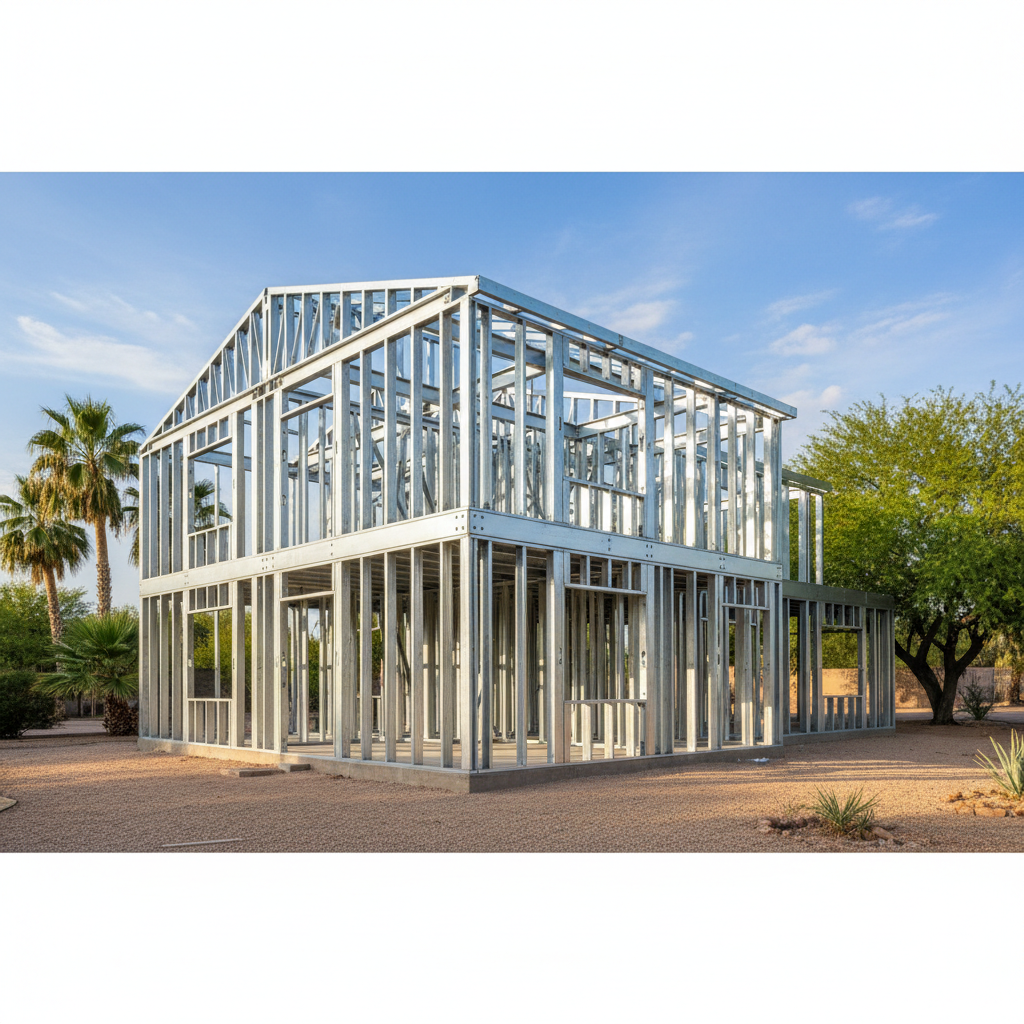
So, you’ve got a steel frame up, maybe for a new workshop, a commercial building, or even a barndominium. Good for you. Steel's tough, especially out here in Peoria where the sun beats down and the monsoon rains can hit hard. But 'tough' doesn't mean 'maintenance-free.' If you want that investment to last as long as it's designed to, you gotta give it some attention. I’ve seen plenty of structures around here, from the older industrial parks to new builds near Fletcher Heights, and the ones that stand the test of time are the ones that get looked after.
Extending the Life of Your Steel Frame
The biggest thing you can do to extend the life of your steel frame starts before it's even fully enclosed: proper coating. If your steel isn't galvanized or coated right, you're asking for trouble. Out here, we're not just fighting rain; we're fighting that intense UV radiation and the occasional dust storm that can act like sandpaper. A good primer and topcoat, specifically designed for exterior steel in harsh climates, is your first line of defense. Don't skimp on this. It's a lot cheaper to do it right the first time than to fix rust later.
Beyond that, it's all about preventing water accumulation. Steel doesn't like sitting in water. Make sure your gutters are clear, downspouts are directing water away from the foundation, and the grading around your building sheds water effectively. This is especially true for any base plates or anchor bolts that are close to the ground. If water pools there, you'll get corrosion, and that's a headache you don't need.
Regular Maintenance: What to Look For
Regular maintenance for a steel frame isn't rocket science, but it does require a consistent eye. I tell folks to do a walk-around at least twice a year, maybe once before summer really kicks in and again after the monsoon season. Here's what you're checking:
- Rust Spots: This is the big one. Any chipped paint or coating? See any reddish-brown patches? Address them quickly. Light surface rust can be cleaned, primed, and repainted. Don't let it spread.
- Fasteners and Bolts: Go around and check all the bolts and screws. Are any loose? Have any backed out a bit? The expansion and contraction from our extreme temperature swings can sometimes work them loose over years. Tighten them up. If you see any missing, replace them.
- Welds: Look for cracks in any welded joints. This is less common with properly engineered structures, but it's worth a glance.
- Drainage: I mentioned it, but it's worth repeating. Clear those gutters. Make sure water isn't sitting on any flat surfaces or against the frame's base.
- Foundation Cracks: While not strictly part of the steel frame, the foundation supports it. Any significant cracks could indicate movement that puts stress on your frame.
- Pest Infestation: Believe it or not, pests can cause issues. Birds nesting in eaves can block drainage. Termites won't eat steel, but their tunnels can compromise adjacent materials or create moisture pockets. Keep an eye out.
Warning Signs of Bigger Problems
Most issues start small, but some signs mean you've got a bigger problem brewing. Don't ignore these:
- Significant Rust: If you're seeing deep, flaky rust that's pitting the steel, that's more than a touch-up job. It means the integrity of the metal is being compromised.
- Distortion or Bending: Is a beam or column looking bent or out of plumb? This is a serious structural issue. It could be due to excessive load, impact, or foundation settlement.
- Cracked Welds or Connections: A small hairline crack in a weld can grow. If a connection plate is bent or showing signs of failure, that's a red flag.
- Loose or Failing Anchor Bolts: If the bolts connecting your frame to the foundation are visibly loose, corroded, or if the concrete around them is cracking, that's a critical point of failure.
- Unusual Sounds: Any creaking or groaning from the structure, especially during high winds, isn't normal.
When to Call a Professional
Look, I'm a big believer in DIY where it makes sense, but some things are just beyond the average homeowner or business owner's scope. If you see any of those 'bigger problems' I just mentioned, don't try to be a hero. You need to call in a professional. That means an experienced structural engineer or a contractor specializing in steel building repair, like us at Metal Buildings of Peoria.
We've got the tools and the know-how to properly assess the damage, figure out the root cause, and implement a safe, lasting repair. Trying to patch up a structural issue yourself can be dangerous and often just delays a more expensive fix down the road. It's like trying to fix a broken bone with a band-aid. You wouldn't do it. Your building's structure is no different.
Even for routine inspections, if you're not comfortable climbing around or you're unsure what you're looking at, it's smart to get a pro out there every few years. Especially for commercial properties, regular professional inspections can save you a ton of money and headaches in the long run. Keep an eye on your steel, and it'll serve you well for decades.