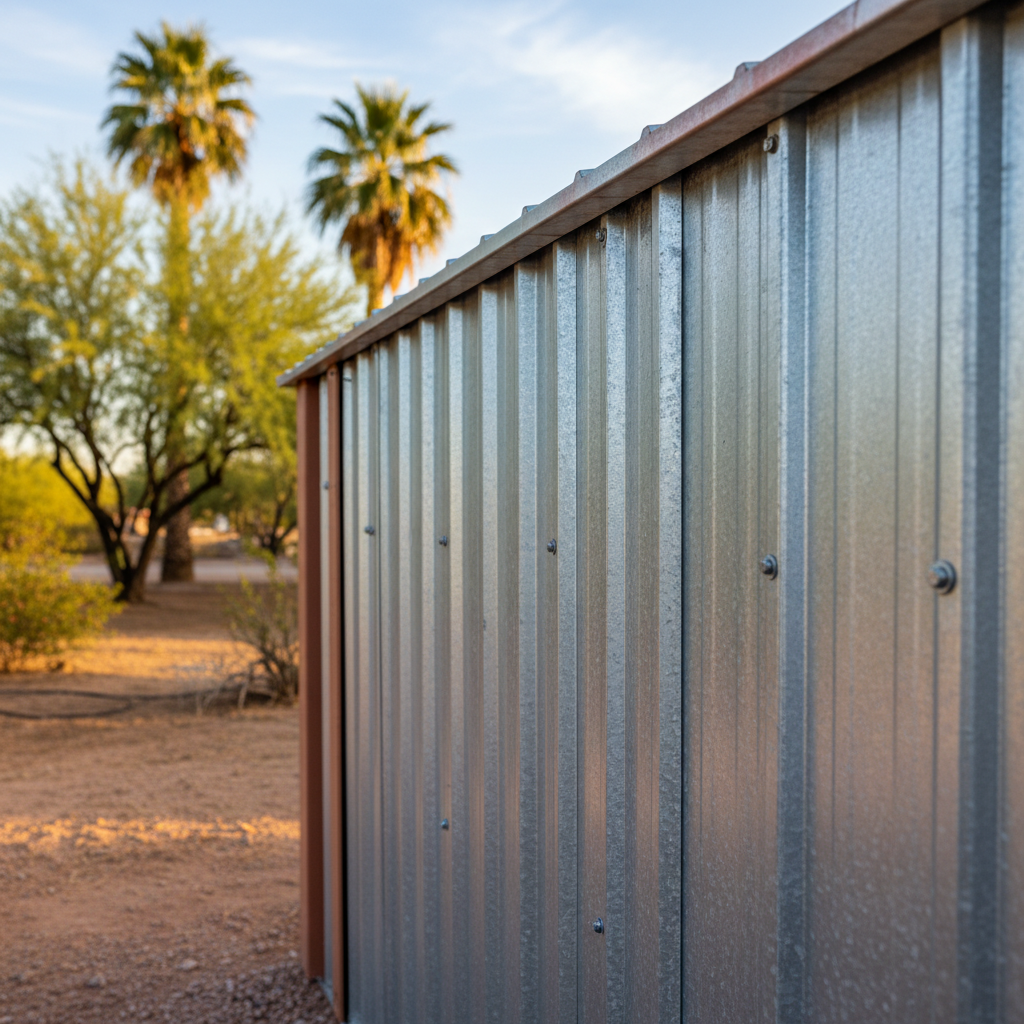
Alright, let's talk metal sheds. I get a lot of questions from folks around Peoria – especially those living in newer developments like Vistancia or older spots near Grand Avenue – about putting up a metal shed. It makes sense; you want to get it right. So, I’ve put together answers to the most common stuff I hear. No fluff, just what you need to know.
Do I even need a permit for a metal shed in Peoria?
This is probably the number one question I get. And it's a good one, because you absolutely don't want to skip this step. Generally, yes, you'll need a permit for most metal sheds in Peoria. The City of Peoria has specific requirements, you see, based on the structure's size and height. Anything over 200 square feet usually requires a building permit. Sometimes even smaller ones need a zoning permit, depending on where you plan to put it on your property. My advice? Always check with the City of Peoria Planning & Zoning Department first. Give them a call or check their website. It's better to spend an hour confirming than to build something only to have to tear it down or pay fines, right? We've helped plenty of homeowners navigate this, and it's always smoother when you start with the right info.
How long does a metal shed typically last in our Arizona climate?
That's where metal really shines, especially here in Arizona. A well-built, properly installed metal shed — particularly one made with galvanized steel — can easily last 20, 30, even 40 years or more. Think about it: our dry heat isn't kind to wood. Wood sheds can warp, crack, and rot with our intense sun and occasional monsoon downpours. Metal? Not so much. The UV rays can eventually fade the paint, sure, but the structural integrity holds up incredibly well. You're looking at a long-term investment that won't be falling apart in a decade like some of the cheaper alternatives you might find at big box stores.
Are metal sheds really hot inside with our Peoria summers?
Okay, this is a legitimate concern, especially when it's 115 degrees outside. A bare metal shed without any thought to insulation *will* get hot, no doubt about it. But that doesn't mean it has to be unbearable. There are several ways to manage the heat. First, consider a lighter color for the roof and walls; darker colors absorb more heat. Second, and this is key: insulation. You can add radiant barrier insulation or even fiberglass batt insulation to the walls and roof. This makes a huge difference. Third, ventilation. Adding vents, or even a small exhaust fan, can help move that hot air out. If you're storing sensitive items or planning to spend time in there, insulation and ventilation are non-negotiables. We often recommend a good quality reflective insulation for our Peoria clients; it works wonders.
What kind of foundation do I need for a metal shed?
You can't just plop a metal shed on the dirt, especially not with our expansive clay soils in some parts of Peoria that can shift a bit. A solid foundation is crucial for stability and longevity. For most smaller sheds, a level gravel base with a treated wood perimeter or a concrete slab is common. For larger sheds, or if you're storing heavy equipment, a reinforced concrete slab is almost always the way to go. The key is that it needs to be level and provide good drainage. You don't want water pooling around the base of your shed. A proper foundation prevents shifting, keeps moisture out, and gives your shed a stable anchor against our occasional high winds. Don't skimp here; it's the base of everything.
Can I customize a metal shed to match my home's look?
Absolutely, and this is one of the cool things about modern metal buildings. You're not stuck with just a plain, industrial look anymore. Manufacturers offer a huge range of colors for the metal panels, so you can often pick something that complements your house's trim or main color. Beyond that, you can add windows, walk-in doors, roll-up doors, and even exterior finishes like faux stone or stucco panels to the lower sections to give it a more custom, integrated look. We've done some really sharp-looking sheds for folks that look like they were built right along with the main house. It's not just a box; it can be an attractive addition to your property.
Are metal sheds prone to pests like scorpions or rodents?
This is a big one in Arizona, right? Nobody wants a shed that doubles as a critter hotel. The good news is that metal sheds, when properly built and sealed, are actually much better at keeping pests out than wood sheds. Wood can rot, crack, and create easy entry points. Metal panels fit together tightly. The key is the installation. You want to make sure the base is properly sealed to the foundation, and that any gaps around doors or windows are caulked or weather-stripped. We always pay close attention to these details at Metal Buildings of Peoria because we know how persistent our local critters can be. A well-sealed metal shed makes it a lot harder for scorpions, spiders, and rodents to set up shop.
What's the maintenance like for a metal shed in Peoria?
Honestly, this is another area where metal sheds are a winner, especially compared to wood. The maintenance is pretty minimal. You won't need to paint it every few years like a wood shed. Mostly, it's about keeping it clean. A good rinse with a hose a couple of times a year to get rid of dust and dirt, especially after a haboob, is usually all it takes. Check the roof for any debris, particularly after a monsoon. Occasionally, you might want to inspect the caulking around doors and windows to make sure it's still sealed tight. If you notice any fading or chalking on the paint over many years, there are products to restore it, but it's not a frequent chore. It's really a 'set it and forget it' kind of deal for the most part.
How long does it take to install a metal shed?
The actual installation time for the metal structure itself can be surprisingly fast. For a standard backyard shed, once the foundation is ready, the metal components can often go up in a day or two — sometimes even less for smaller kits. The longest part of the process is usually the preparation: getting permits, pouring the foundation, and making sure the site is level and accessible. If you're doing a DIY kit, your timeline will depend on your own skill and how much help you have. If you hire a professional team like us, we've got the experience to get it done efficiently and correctly, from start to finish. We'll give you a clear timeline upfront so you know what to expect.